When your pet needs specialized clique neste linkclínica veterinária e laboratório ivd care, a veterinary laboratory plays a critical role in providing accurate diagnostics and treatment guidance.
From routine screenings to emergency diagnostics, veterinary labs help uncover hidden health issues, confirm diagnoses, and track treatment progress.
Let’s start by understanding exactly what a veterinary laboratory is and why it’s essential in modern animal healthcare.
How Veterinary Diagnostic Labs Work
Just like human medical labs, veterinary labs follow strict protocols to ensure accuracy and reliability.
Veterinary labs vary in size and specialization.
In the US, veterinary laboratories can operate as standalone diagnostic centers, be integrated into veterinary hospitals, or work as part of nationwide networks.
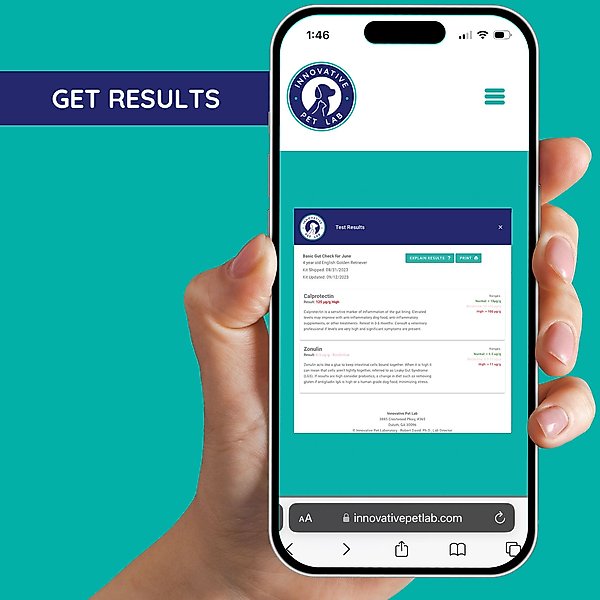
What Tests Do Veterinary Labs Offer?
Urinalysis and fecal exams help detect infections, parasites, or metabolic issues.
For more specialized diagnostics, veterinary labs offer cytology (examining cells under a microscope), biopsies, hormone level testing (such as thyroid or cortisol), and infectious disease panels.
These tests are essential for early disease detection, accurate diagnosis, and treatment planning.
How to Find a Veterinary Lab Near You
Start by asking your veterinarian—they often have trusted partnerships with local or national labs and can guide you to the right provider.
Reading reviews and checking for specific services (like 24-hour diagnostics or exotic animal testing) can also help narrow your search.
Choosing the right local lab ensures quick turnaround, reliable results, and peace of mind.

Standard vs. Emergency Veterinary Laboratories
Standard labs typically process routine tests during business hours, while 24-hour veterinary labs offer emergency diagnostic services around the clock.
If your pet is facing a life-threatening condition—such as sudden collapse, poisoning, or acute trauma—a 24-hour lab can deliver rapid results needed for immediate treatment.
Balancing speed, cost, and specialization ensures your pet gets the right level of diagnostic support when it matters most.
Why Veterinary Diagnostics Matter for Your Pet’s Health
Without accurate diagnostics, treatment plans may miss the mark, potentially delaying recovery or worsening outcomes.
For preventive care, routine lab work helps catch issues before symptoms appear.
This partnership between lab, vet, and pet owner is what keeps animals healthy and thriving.
Conclusion: Choosing the Right Veterinary Lab for Your Pet
Accurate, timely results help catch problems early, support effective treatments, and give you peace of mind as a pet owner.
By understanding the range of services veterinary labs offer, knowing when to seek 24-hour support, and learning how to find reputable labs near you, you empower yourself to make the best choices for your animal companion.
Stay informed, stay proactive, and don’t hesitate to ask your veterinarian how lab testing can enhance your pet’s care plan.
Your Veterinary Lab Questions Answered
What is a veterinary diagnostic lab?
These labs support veterinarians by providing accurate, fast diagnostic information essential for proper care.
Are there local veterinary labs for pet testing?
Ask your veterinarian for recommendations—they often work with trusted local labs or national diagnostic networks.
What emergencies require urgent lab testing?
Always consult your emergency vet to determine the best course of action.
What types of tests are done in veterinary labs?
Common tests include blood counts, chemistry panels, hormone levels, infectious disease screening, urinalysis, fecal exams, cytology, biopsies, and genetic testing.
What should I expect to pay for pet diagnostics?
Costs vary based on the type of test, species, and urgency.